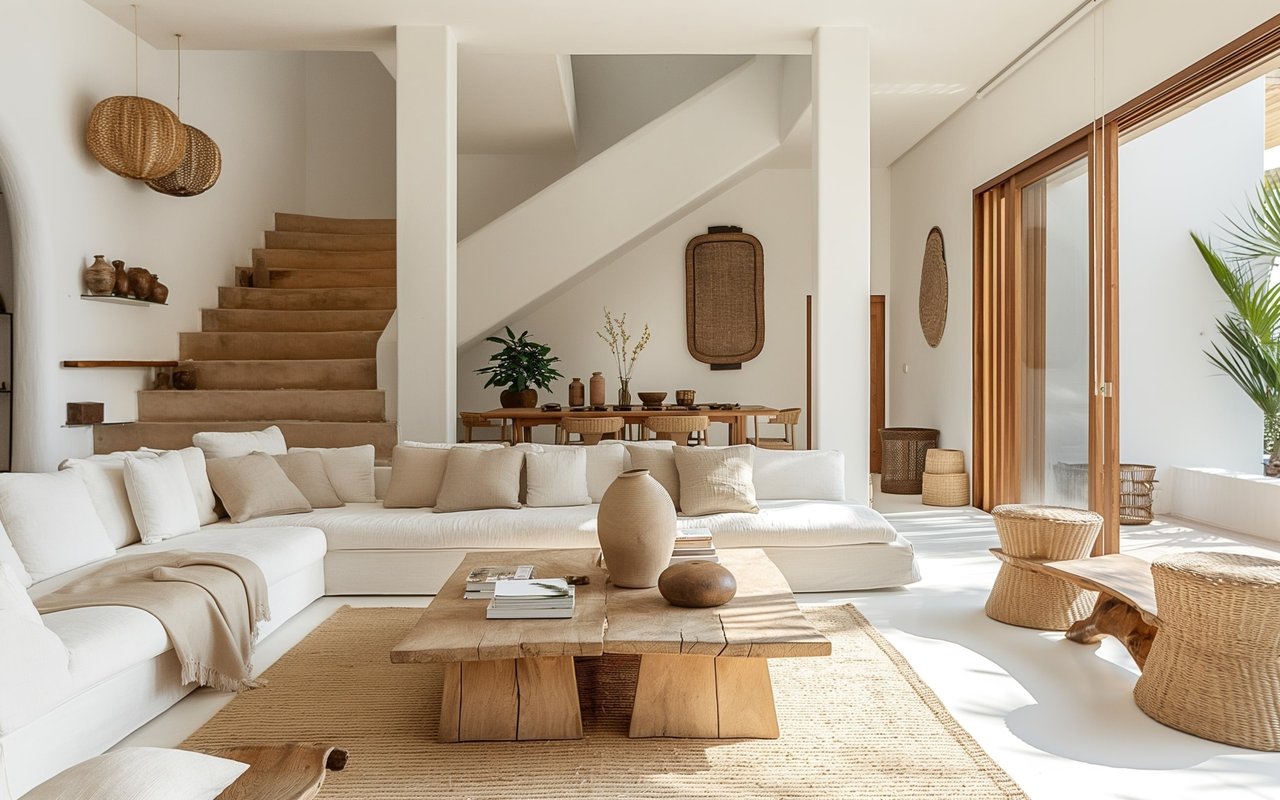
Living in Manhattan Beach: Everyday Coastal Lifestyle
If you are thinking about living in Manhattan Beach, the lifestyle often feels just as important as the home itself. You may be picturing morning walks near the water, easy access to errands, and a coastal setting that still works for real daily routines. This guide will help you understand what everyday life in Manhattan Beach can actually look like, from getting around to housing choices and costs. Let’s dive in.
Manhattan Beach is a compact coastal city in the South Bay with about 35,506 residents and roughly 4 square miles of land. It includes 2.1 miles of beachfront, 40 acres of recreational beach, 80.88 park acres, and a 928-foot pier. The city sits at the southern end of Santa Monica Bay, about 19 miles southwest of downtown Los Angeles and around 3 miles south of LAX.
That small footprint shapes daily life in a big way. Many routines center on the beach, downtown, and a handful of commercial areas, which helps the city feel connected and easy to learn over time. At the same time, it is still part of greater Los Angeles, so your experience will usually blend local walkability with driving for some trips.
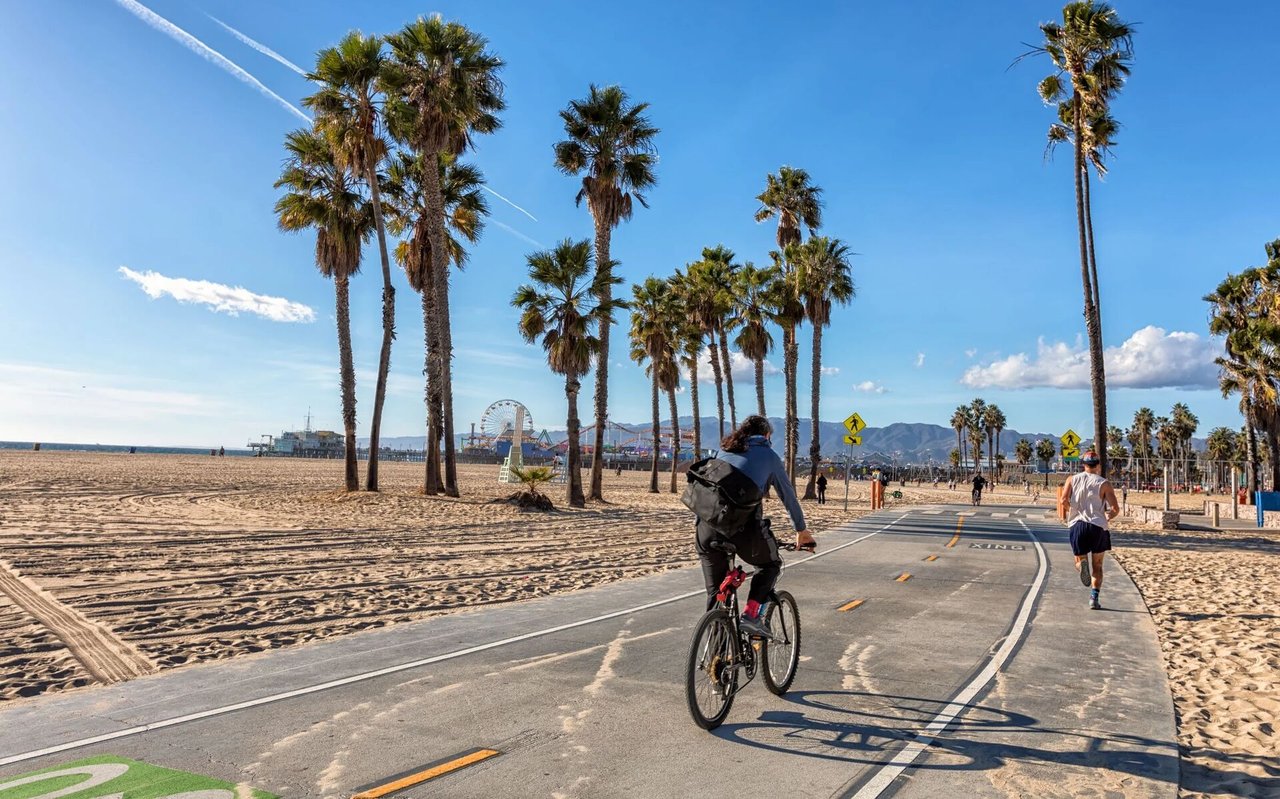
A big part of Manhattan Beach living is how often the coastline becomes part of your normal week, not just your weekend plans. City visitor materials highlight The Strand, the beach, and the pier as central parts of everyday activity. People use the beachfront path to walk, run, bike, skate, and skateboard, which gives the city an active outdoor rhythm.
The pier adds another layer to that routine. Fishing is allowed year-round, and the Roundhouse Aquarium and Volleyball Walk of Fame sit at the end of the pier. Even if you are not out on the sand every day, the beach environment tends to stay visually and socially present in daily life.
The weather also supports that outdoor pattern. The city lists average temperatures ranging from about 85°F in summer to 49°F in winter. That range helps explain why outdoor recreation, casual movement around town, and beach-adjacent habits are such a steady part of the local lifestyle.
For day-to-day convenience, Manhattan Beach offers more than a scenic coastline. Downtown Manhattan Beach is described by the city as the heart of the community and a destination for shopping, dining, services, and parking management. In practical terms, that means many residents end up returning to the same core area for both errands and leisure.
Manhattan Village is another major local hub. City visitor materials identify it as a key retail and dining node, with free parking and EV charging. If you prefer to cluster errands in one stop, this part of town can play a big role in your weekly routine.
The city also offers a broader recreation mix beyond the shoreline. Manhattan Beach lists 54 acres of developed parks, a nine-hole golf course, and two community centers. That variety gives you more ways to enjoy the area if your version of coastal living includes parks, structured recreation, and community programming in addition to beach time.
Manhattan Beach is not a rail-centered city, so transportation tends to be a mix of driving, biking, walking, and local transit options. The city has 108 miles of paved streets and 10 miles of highway, which helps explain why cars remain part of many residents’ routines. Even in a place with a strong beach-core walking culture, daily mobility often still includes driving.
Parking is a real part of the picture. The city notes 12 public parking lots with more than 1,400 spaces, plus 87 bike parking locations. It also states that parking meters are always in effect unless posted otherwise, which is useful to know if you expect frequent trips to downtown or the beachfront.
For public transit, Beach Cities Transit Line 109 connects Manhattan Beach with Redondo Beach, Hermosa Beach, El Segundo, the Manhattan Beach Pier, Downtown Manhattan Beach, Manhattan Village, Plaza El Segundo, and the LAX City Bus Center. The city also says this line connects with Metro bus and rail as well as other regional systems. That can be helpful if you want some flexibility beyond driving alone.
A newer option is the MB Wave Rider, the city’s on-demand electric microtransit service. It operates within Manhattan Beach city limits and also goes to Metro K Line Douglas Station. The city lists a flat $5 fare per ride, no fixed routes or schedules, and service hours from late morning through evening depending on the day.
Because Manhattan Beach is small, neighborhood differences can feel subtle at first and meaningful once you spend more time there. The city describes Downtown Manhattan Beach as the community heart, while North Manhattan Beach is framed as a laid-back surf area with beach access, walk streets, and nearby Highland Avenue services. Those details show how lifestyle can shift block by block, even within a compact city.
The city’s overall zoning and development pattern also shape the feel of different areas. Manhattan Beach remains primarily low-density and single-family in its base districts, while multifamily housing is allowed or conditionally allowed in selected RM and RH districts, certain commercial districts, and the Residential Overlay District. Accessory dwelling units are also allowed in areas zoned for single-family or multifamily residential use.
That framework helps explain why the housing stock can feel varied rather than uniform. The city notes that many older structures remain, and it has both a Historic Preservation Program and bulk and volume standards meant to address single-family building mass and encourage retention of smaller homes. So even in a high-price market, you may still find a mix of older homes, newer construction, and different scales of development.
Manhattan Beach is a premium housing market, and that reality shapes who buys here and how they plan. Redfin’s June 2026 snapshot reports a median sale price of $3,747,757 over the prior three months, with homes selling in about 28 days and averaging about one offer. Realtor.com’s June 2026 summary reports a median listing price of $4,624,500, a median sold price of $3,750,000, a median price per square foot of $1,618, and a median rent of $14,500 per month.
At the Census level, 64.8% of housing units are owner-occupied, and the median value of owner-occupied housing units is listed as $2,000,000+. Together, those numbers point to a high-equity market where ownership is common and price points are significant. If you are planning a move here, budgeting is not just about monthly payment. It is also about opportunity cost, long-term fit, and how much value you place on the location and lifestyle.
One of the most important things to understand is that prices vary widely within Manhattan Beach. Realtor.com neighborhood data lists median listing prices of about $5.87 million in Sand Section, $4.77 million in North End, $4.17 million in Eastside Manhattan Beach, and $3.34 million in Tree Section. That spread shows how strongly location and neighborhood identity can influence cost.
In general, beach-adjacent sections tend to command higher pricing, while inland areas may offer comparatively lower entry points and a wider range of housing forms. That does not mean one area is better than another. It means your best fit may depend on how you weigh access, housing style, lot size, budget, and daily routine.
For many people, Manhattan Beach offers a blend that can be hard to find elsewhere. You get a compact coastal setting with strong local amenities, beach access, parks, shopping, dining, and community destinations all within a relatively small city. That can make daily life feel both active and localized.
At the same time, this is not a car-free beach town where every errand happens on foot. Everyday life often includes driving, managing parking, biking short distances, or using local transit and microtransit options. If you come in expecting a polished coastal lifestyle with real-world logistics, you will probably have a more accurate picture.
For buyers especially, Manhattan Beach is often less about a single headline and more about trade-offs. You may be balancing beach proximity against price, home size against location, or newer construction against older neighborhood character. That is where a thoughtful, financially grounded approach can make a big difference.
If you are weighing a move to Manhattan Beach, it helps to look beyond the postcard version of the city. The right decision usually comes from understanding how you want to live every day, how a home fits your budget and long-term plans, and which part of the city best supports that picture. If you want help thinking through those trade-offs, Sheila Poisson can help you evaluate the numbers, the neighborhoods, and the lifestyle with clarity.
Real estate is about more than buying or selling a property—it's about making informed decisions that support your future. Hiraya Group is committed to delivering exceptional service, trusted advice, and results tailored to your unique goals. Together, we'll create a strategy designed for your success.
Hiraya Group
(310) 971-7505
[email protected]
Poisson, Sheila Reyes | CA DRE# 01982826
Agentdesks Incorporated | CA DRE# 02051216
3250 Airflite Way Ste 400 Long Beach, CA 90807